
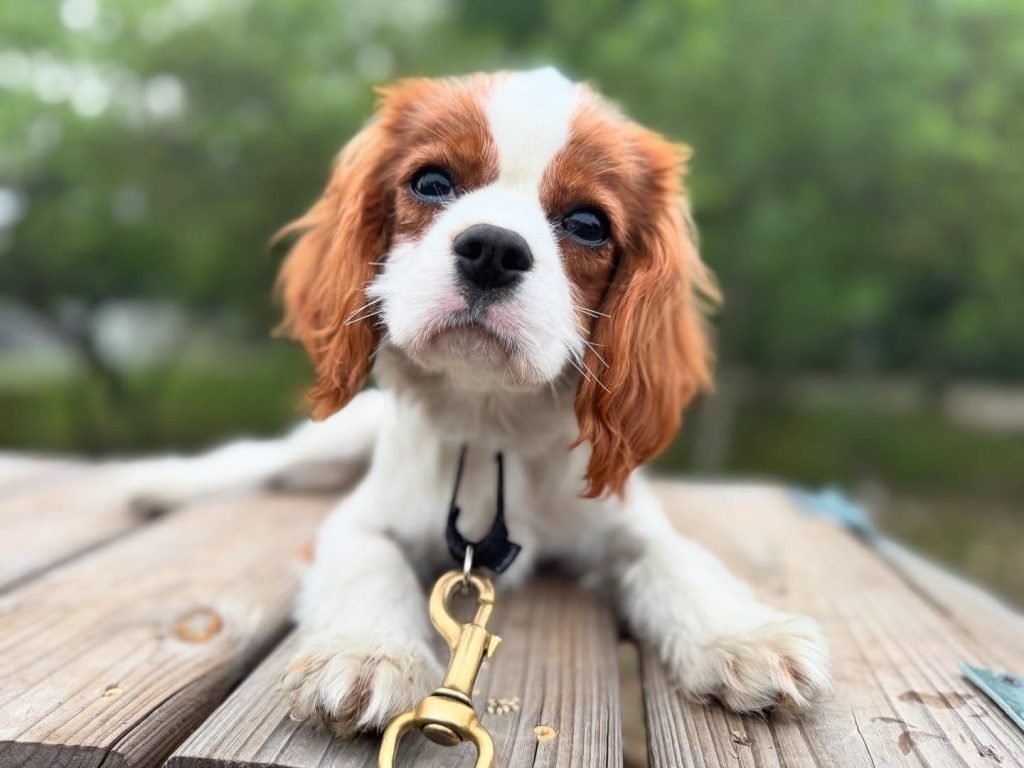
Puppy training in San Antonio works best when you start early and focus on two things at once: a solid foundation of manners and positive socialization during your puppy’s critical developmental window. Done right, those first few months set your dog up for a calm, confident, well behaved life. At All Around K9 on the West Side of San Antonio, we guide families through exactly what to expect, from house training and biting to early obedience and socialization, so you can raise the dog you actually want. Here is the roadmap.
Puppy Training in San Antonio: What to Expect
Expect puppy training to move in two lanes at the same time. The first is foundation skills: house training, crate manners, bite inhibition, and the beginnings of sit, down, come, and loose leash walking. The second is socialization, which means safe, positive exposure to new people, dogs, sounds, and surfaces while your puppy is young. The socialization window closes around sixteen weeks, so timing matters, and the American Veterinary Medical Association guidance on puppy socialization explains why early, well run experiences are so valuable.
Start With the Foundation
Good puppy training is less about strict drills and more about clear, consistent structure your whole household follows. In the early weeks we focus on:
- House training and a predictable routine so accidents fade fast
- Crate skills that give your puppy a safe place to rest and settle
- Bite inhibition, redirecting those sharp teeth to appropriate chews
- Name recognition and the first reliable cues like sit, down, and come
- Gentle handling so vet visits and grooming are stress free later
These basics build the calm, cooperative puppy that makes everything else easier. Reward based methods are the backbone of all of it, the approach backed by the American Veterinary Society of Animal Behavior.
Socialization Is Not Optional
Socialization is the single most time sensitive part of puppy raising. It does not mean overwhelming your puppy, it means careful, positive exposure so the world feels normal rather than scary. A well socialized puppy grows into a steady adult that is far less likely to develop fear or reactivity. Pairing structured socialization with early obedience gives your puppy both confidence and manners at the same time.
Growing Into Obedience and Beyond
As your puppy matures, that early work flows naturally into full dog obedience training, where commands become reliable around real distractions. For busy families who want a strong, consistent foundation installed quickly, our puppy board and train in San Antonio is an efficient option, and you take over a puppy that already understands the rules. The goal is always the same: a confident, well mannered dog for life.
Common Puppy Challenges and How We Handle Them
Almost every new puppy owner runs into the same growing pains, and none of them mean something is wrong with your puppy. They are simply part of raising a young dog, and each one responds well to calm, consistent guidance. The challenges we coach families through most often include:
- Nipping and mouthing, redirected to chews while you reward a soft mouth
- House training accidents, solved with a predictable routine and supervision
- Crying in the crate, eased by making the crate a calm, rewarding place
- Jumping and zoomies, channeled into appropriate play and rest
- Short attention spans, met with brief, upbeat training sessions
Patience and structure beat frustration every time, and a puppy that is well rested and well exercised is a far easier puppy to teach.
Why the Early Months Pay Off for Life
The habits your puppy forms in the first several months tend to stick, which is exactly why this window is worth the effort. A puppy that learns calm manners, enjoys handling, and feels confident in new situations grows into an adult dog that is a pleasure to live with and easy to take anywhere. Skipping early structure does not save time, it simply pushes the work into adolescence, when unwanted habits are harder to undo. Investing now in a confident, well mannered puppy is the single best thing you can do for the next decade with your dog, and it is far easier than retraining later.
If you are not sure where to begin, you are not alone. Most new puppy owners feel a little overwhelmed at first, and a short conversation can bring real clarity. We are happy to walk you through the options, answer your questions honestly, and help you build a simple, realistic plan you can start putting to work the very same day.
Free evaluation: Want a confident, well mannered puppy? Book your dog’s free evaluation to get started.
Serving West San Antonio Puppy Families
We help puppy owners across West San Antonio, Alamo Ranch, Potranco, and the surrounding neighborhoods raise confident, well behaved dogs. The best first step with a new puppy is a conversation and an honest evaluation, so we can build a plan around your puppy’s age, temperament, and your family’s goals. Reach out to get your puppy started on the right foot.
Frequently Asked Questions
When should puppy training start in San Antonio?
Sooner than most owners think. Learning begins the day your puppy comes home, so gentle house manners, handling, and simple cues should start at eight to ten weeks. The prime socialization window closes around sixteen weeks, so early, positive exposure during that period is one of the most valuable things you can do for your puppy.
What should a puppy training program include?
A strong puppy program balances foundation obedience with structured socialization. Expect house training and crate skills, bite inhibition, polite greetings, the start of sit, down, come, and loose leash walking, plus calm exposure to new people, sounds, and surfaces so your puppy grows up confident rather than fearful.
How do I stop my puppy from biting and chewing?
Puppy mouthing is normal and developmental, not aggression. Redirect those teeth to an appropriate chew, reward a soft mouth, and briefly pause play when a nip is too hard, the way littermates teach each other. Plenty of sleep and enrichment cut biting dramatically, since an overtired puppy bites far more.
Is my puppy too young for a board and train?
Many puppies do very well in a structured, age appropriate program once they are old enough, because immersion builds a strong foundation quickly. The right format depends on your puppy’s age and temperament, which is exactly what an evaluation is for, so we never push a one size fits all plan.
Do you offer puppy training near me on the West Side of San Antonio?
Yes. We work with puppy owners across West San Antonio, Alamo Ranch, Potranco, and the surrounding areas. Every puppy starts with an evaluation so we can recommend the right mix of foundation obedience and socialization for your puppy and your family.