
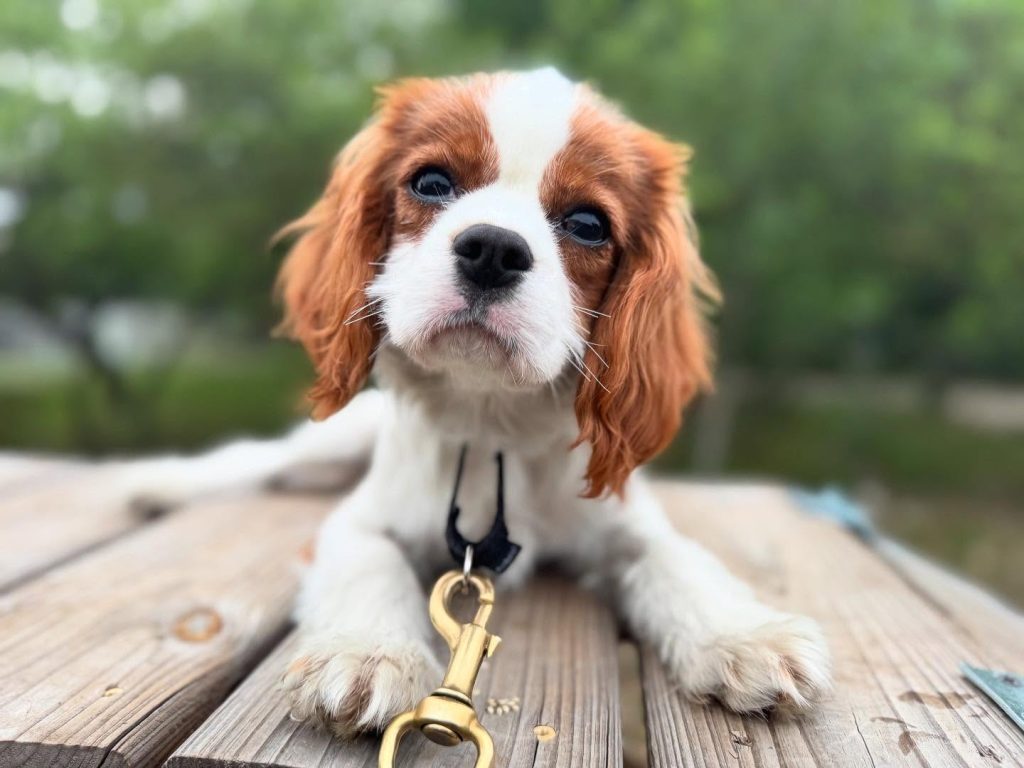
Puppy board and train can be an excellent choice for a young dog when it is built around the puppy’s developmental stage, uses gentle and reward based methods, and includes heavy socialization rather than just obedience drills. For most West San Antonio families in Alamo Ranch, the Potranco corridor, and the 78245 and 78253 areas, it makes the most sense once a puppy is fully vaccinated and past the earliest weeks at home, and it works best when paired with strong follow through once the puppy comes back to you. Here is how to decide whether it fits your puppy.
What puppy board and train actually is
Puppy board and train is an immersive program where your young dog stays with our trainers and learns foundational skills, house manners, crate comfort, and confidence around new people, sounds, and surfaces. Unlike an adult board and train that often focuses on correcting established habits, a good puppy program is built around shaping good habits before bad ones take hold.
That distinction matters. A puppy’s brain is wired to soak up experiences during a specific early window, so the priority is positive exposure and clear routine, not heavy handed correction. You can see how we structure foundational puppy work on our San Antonio puppy training page.
The socialization window is the whole point
The single biggest reason to invest in professional puppy work early is socialization. Veterinary behavior experts agree that the weeks of early puppyhood are a critical period for building resilience, and missing it is harder to fix later than almost any obedience gap. The American Kennel Club outlines the timeline in its guide to puppy socialization, and the American Veterinary Medical Association explains the health and behavior stakes in its overview of socializing your dog.
A structured program packs safe, positive exposures into these weeks in a way that busy households often cannot manage alone. That is the value: not just sit and down, but a dog that grows up steady and unbothered by the world.
What a puppy should learn
Foundations come first. Potty and crate routine, name recognition, coming when called, gentle leash introduction, handling for grooming and vet visits, and bite inhibition all belong in a puppy program. Crate training in particular sets up house manners and safe alone time, and we cover our approach in detail on our crate training guide.
Methods should stay humane throughout. The American Veterinary Society of Animal Behavior lays out why reward based training is the standard of care in its published position statements. If a program leans on harsh corrections with a young puppy, keep looking.
Is it right for your puppy?
Puppy board and train is a strong fit if your schedule makes consistent daily training and socialization hard, if you want a confident, well mannered dog from the start, or if you have children and a busy home where structure is tough to maintain. It is less necessary if you have the time, knowledge, and social opportunities to do the daily work yourself, though many owners still value the head start and the coaching they receive at pickup.
For dogs that need more intensive obedience alongside the puppy foundations, our full board and train program can be tailored to a young dog’s stage.
A note for newly adopted puppies
If you adopted your puppy from a West side shelter or rescue such as the Helotes Humane Society, an early, positive training start is one of the best things you can do to help that dog settle into your home for good. Adopted puppies especially benefit from confidence building and routine, and we are glad to build a plan around a rescue puppy’s specific history.
Frequently asked questions
What age can a puppy start board and train?
Most puppies are ready once they are past the earliest weeks at home and have started their vaccine series, commonly around ten to sixteen weeks, though the right start depends on the individual puppy and your veterinarian’s guidance.
Is puppy board and train worth it?
For many families it is, especially when a busy schedule makes daily socialization and training hard to guarantee. The early developmental window is brief, and a structured program uses it to build confidence and good habits.
Will board and train hurt the bond with my puppy?
No. A good program strengthens your relationship by giving you a well started puppy and the coaching to keep building on it. Methods should always be gentle and reward based.
A well designed puppy board and train sets your dog up for a lifetime of good habits, but only if the program respects the puppy’s stage and hands the training back to you the right way.
If you have a new puppy on the West San Antonio side and want to start strong, reach out and we will help you choose the right program.
Ready to get started with All Around K9?
Our San Antonio trainers build reliable, real-world obedience through hands-on, balanced training programs.