
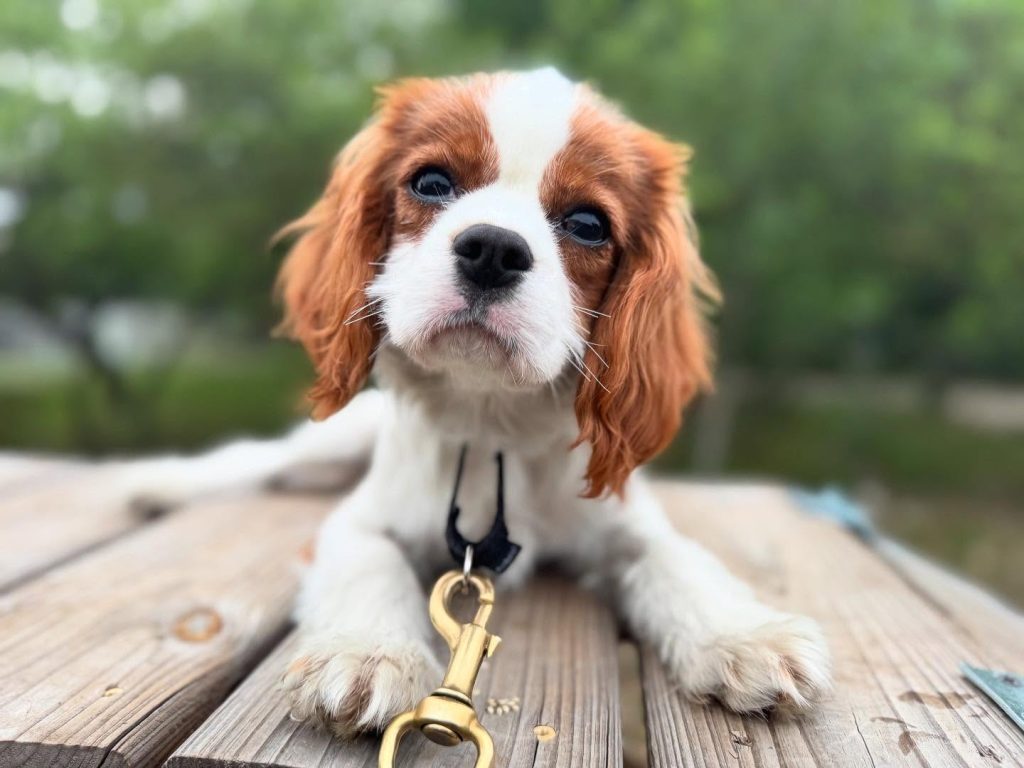
How to Potty Train a Puppy: A San Antonio Owner’s Guide
To potty train a puppy, take the puppy to the same outdoor spot on a consistent schedule, reward every success the moment it happens, supervise closely indoors, and use a crate or confined area when you cannot watch. Most puppies are reliably house trained in four to eight weeks when the routine stays consistent. This guide walks San Antonio owners through the exact steps, a realistic timeline, and the common mistakes that slow progress.
Start With a Consistent Schedule
Puppies thrive on predictability, and a schedule is the single biggest driver of fast potty training. Young puppies have small bladders, so plan to take yours outside first thing in the morning, after every meal, after naps, after play, and right before bed.
A simple rule of thumb is that a puppy can usually hold its bladder for about one hour per month of age, plus one. A two month old puppy may only last two to three hours, so overnight accidents are normal at first and not a sign of failure. In the San Antonio heat, keep water available and expect more frequent trips outside on hot days.
Pick One Spot and Reward Immediately
Choose one specific area of the yard and take your puppy there every time. The scent from previous visits helps the puppy understand what the spot is for. Use a calm cue word such as “go potty” while the puppy is going, then reward within two seconds of finishing with a small treat and quiet praise.
Timing is everything. If you wait until you are back inside to give the treat, the puppy learns that coming indoors earns the reward, not eliminating outside. The reward has to land the moment the behavior finishes.
Supervise, Confine, and Prevent Accidents
Every accident indoors teaches the wrong habit, so prevention matters as much as reward. When you cannot give your puppy your full attention, use a crate sized so the puppy can stand, turn, and lie down but not much more. Most puppies will avoid soiling the space where they sleep. Our step by step crate training guide for San Antonio owners shows how to make the crate a calm, positive space rather than a punishment.
When your puppy is loose in the house, watch for pre potty signals like sudden sniffing, circling, or wandering away from the group. The instant you see one, calmly take the puppy outside. Tethering the puppy to you with a leash indoors makes these signals impossible to miss.
How to Potty Train a Puppy, Step by Step
The routine below is the same one we coach new owners through across San Antonio.
1. Take the puppy out on schedule
Bring your puppy outside first thing in the morning, after meals, after naps, after play, and before bed. Carry or walk the puppy directly to the chosen spot.
2. Use a cue and wait
Say your potty cue and give the puppy a few quiet minutes. Avoid playing or talking too much so the puppy stays focused on the job.
3. Reward the instant it happens
The moment the puppy finishes, reward with a treat and calm praise right there outside, not after you go back in.
4. Supervise or confine indoors
When you are not actively watching, use a crate or a small gated area to prevent unsupervised accidents.
5. Clean accidents with an enzyme cleaner
If an accident happens, clean it with an enzymatic cleaner that removes the scent completely. Ordinary cleaners leave odor that draws the puppy back to the same spot.
Handle Accidents the Right Way
Accidents will happen, and how you respond decides how fast training sticks. Never punish, scold, or rub your puppy’s nose in a mess. Punishment teaches the puppy to hide when it needs to go, which makes house training harder. If you catch the puppy mid accident, calmly interrupt and carry it outside to finish, then reward. If you find a mess after the fact, simply clean it and tighten your supervision.
What a Realistic Timeline Looks Like
Most puppies show clear progress within two weeks and become reliable in four to eight weeks with a consistent routine. Full bladder control often is not complete until around six months, so occasional accidents during this window are normal. Setbacks after a move, a schedule change, or illness are common and usually resolve by returning to the basics. If whining at night is part of the picture, our tips on reducing puppy whining pair well with a solid potty schedule.
When to Get Professional Help
If your puppy is well past six months and still having frequent accidents despite a consistent routine, or if you simply want a faster, more structured start, professional guidance shortens the process. All Around K9 works with puppy owners throughout San Antonio and the surrounding communities. You can see how we build a foundation of house manners, crate comfort, and early obedience on our puppy training program page. Biting and mouthing often show up in the same weeks as potty training, so our guide to stopping puppy biting and nipping is a useful next read.
Frequently Asked Questions
How long does it take to potty train a puppy?
Most puppies show clear progress within two weeks and become reliable in four to eight weeks with a consistent schedule. Full bladder control usually develops by around six months of age, so occasional accidents before then are normal.
How often should I take my puppy outside?
Take a young puppy out first thing in the morning, after every meal, after naps, after play, and before bed. A general guide is one hour of bladder control per month of age plus one, so plan frequent trips for very young puppies.
Should I use puppy pads?
Pads can help in a high rise or during severe San Antonio heat, but they can also slow outdoor training because they teach the puppy that going indoors is acceptable. If your goal is outdoor potty habits, focus on frequent outdoor trips instead.
Why is my puppy having accidents after being trained?
Regression is common after a move, a schedule change, illness, or a stretch of reduced supervision. Return to the basics of frequent outdoor trips, close supervision, and immediate rewards, and reliability usually returns quickly.
Is crate training necessary for potty training?
A crate is not required, but it speeds up house training because most puppies avoid soiling where they sleep. A correctly sized crate gives your puppy a safe space and prevents unsupervised accidents when you cannot watch.